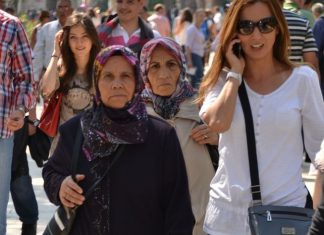

As a result of the wide and systematic health education carried out in the country, the level of the population’s health culture has increased greatly. Many old health prejudices and harmful beliefs have almost disappeared. People are now more informed about hygiene, disease prevention, and healthy living. A way of life that follows hygienic standards is becoming more common in everyday family life.
Today, people seek medical help more consciously and on time. They show trust in doctors and medical workers and are more willing to follow medical advice. Almost all pregnant women now choose to give birth in maternity hospitals, where they receive professional care. During their stay, they carefully listen to and follow the recommendations of physicians and midwives, which leads to safer deliveries and better health for both mothers and babies Introduction to Health Education in the Country.
Positive Changes in Preventive Health Behaviour
The population also responds willingly to mass preventive examinations, immunizations, and vaccinations. Preventive medicine has become an accepted and important part of life. Parents pay more attention to the care of their children, and the methods of upbringing and child care have improved significantly. Better hygiene, nutrition, and regular medical check-ups contribute to the healthier development of children.
It can be clearly stated that without these positive changes in people’s attitudes toward their health and without the improvement of their health culture, the great achievements in the field of public health would not have been possible. Especially in primary medical care, the success of the healthcare system is closely connected with the active participation and awareness of the population.
Importance of Primary Medical Care
Primary medical care is the most widespread and accessible type of medical service for the population. Outpatient and day-patient care play a leading role in the healthcare system because they serve a large number of people on a daily basis. In outpatient departments, many important medical tasks are carried out, including prevention, diagnosis, treatment, occupational medical evaluation, and rehabilitation private sofia tour.
These services help solve most of the health problems of the population at an early stage. Because of this, outpatient departments have a central role in improving the overall health status of society. Early diagnosis and timely treatment reduce the need for hospitalization and prevent the development of serious diseases.
Organization of Outpatient Medical Care
The organization of outpatient medical care is based on the microregional principle, which includes both territorial and occupational factors. This means that medical services are organized according to the place where people live and work. Each microregion serves a specific group of the population, ensuring better access to healthcare services.
The microregional system reflects the combination of preventive and curative medicine. It allows doctors and healthcare workers to follow the health condition of the population in a given area continuously. In this way, they can provide not only treatment but also preventive care and health education.
Advantages of the Microregional Principle
The application of the microregional principle in primary medical care provides several important advantages. First, it ensures the unity of medical and sanitary measures directed both at the individual and at the surrounding environment. This helps in preventing diseases related to poor living and working conditions.
Second, it guarantees the unity and continuity of medical care for the population living and working in a specific territory. Medical workers become familiar with the health needs of the people in their region and can provide more effective and personalized care.
Another advantage is the better coordination between different medical services, including preventive, diagnostic, and rehabilitative care. This integrated approach improves the quality of healthcare and increases efficiency.
Development of Medical and Dental Microregions
In Bulgaria, physician and dental microregions are organized according to the size, density, and territorial distribution of the population they serve. This organization allows healthcare services to reach both urban and rural areas. It also ensures equal access to medical and dental care for all citizens.
Through this well-structured system, primary medical care becomes more accessible, organized, and effective. As a result, the health of the population improves, and the healthcare system functions more successfully in meeting the needs of society.